
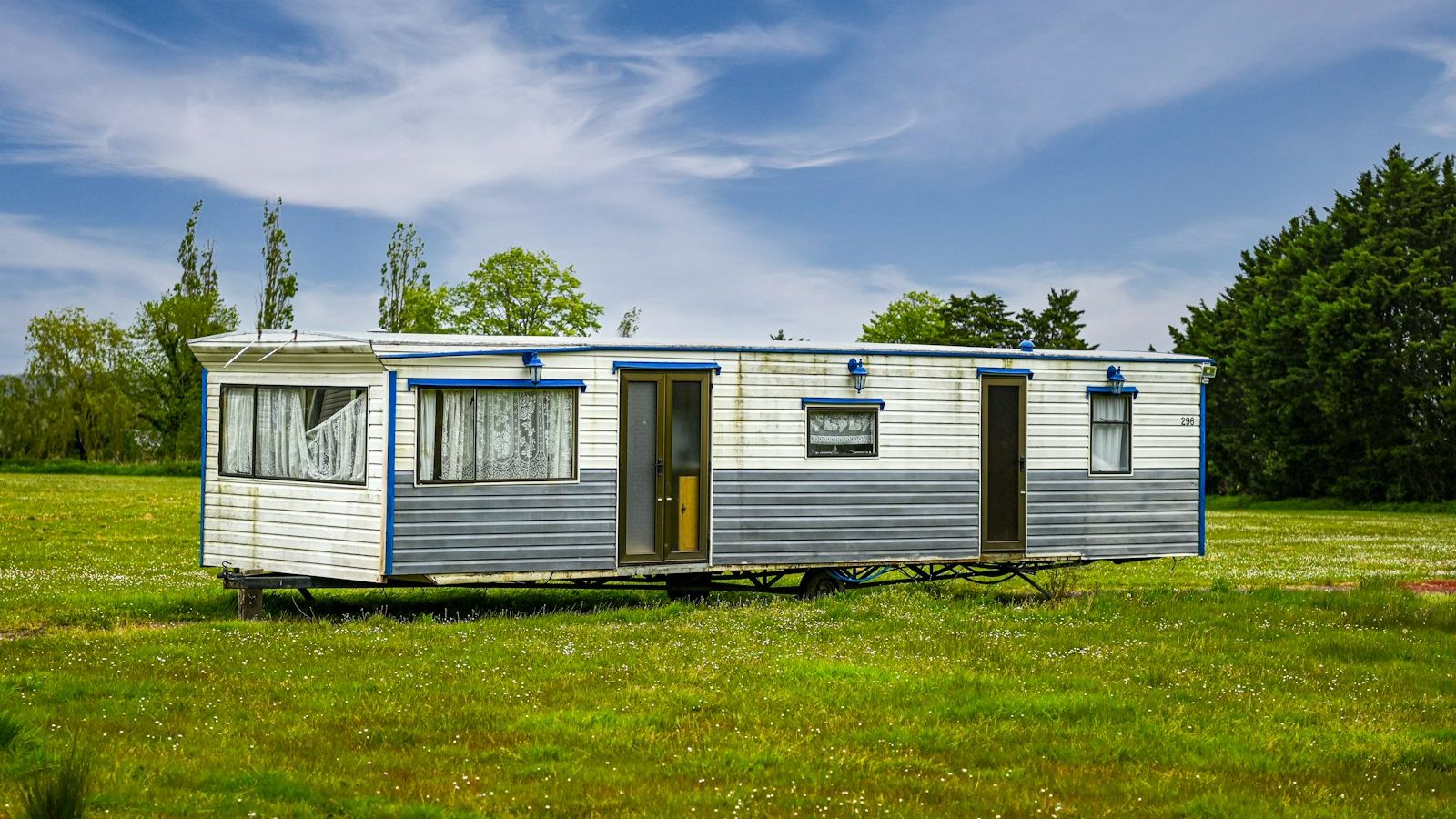
If you own a mobile home or manufactured home in California, your insurance situation is different from a traditional homeowner. Standard homeowners policies don't apply. The carriers are different, the coverage is structured differently, and the rules are specific.
Here's what you need to know to make sure you're properly covered.
Mobile vs manufactured: what California considers what
Two terms get used somewhat interchangeably, but they're not exactly the same:
Mobile home
Generally refers to factory-built homes built before June 15, 1976. These predate the federal HUD standards for manufactured housing and have different construction quality.
Manufactured home
Refers to factory-built homes built after June 15, 1976, conforming to federal HUD code. Most modern factory-built housing falls into this category.
Modular home
These are different. They're built off-site but conform to local building codes (not HUD). They're typically insured as standard homes.
California insurers price and write coverage differently for each type. The age, construction, and HUD compliance of your home matters significantly.
Why standard homeowners insurance doesn't apply
Most homeowners (HO-3) policies are designed for site-built homes with permanent foundations. Mobile and manufactured homes have:
- Different construction (typically lighter, more vulnerable to wind and fire)
- Different foundations (often piers, not slabs)
- Different fire risks and vulnerability
- Different replacement cost characteristics (depreciate more like vehicles)
So insurance is written on specific manufactured home (HO-7) or mobile home policies. The structure is similar to a regular HO-3 policy, but priced and underwritten differently.
What manufactured home insurance covers
Dwelling coverage
Covers the home itself, including built-in appliances, attached structures, and additions. The coverage amount should reflect actual replacement cost, not the market value of the home (which can be lower).
Other structures
Detached structures on the property: sheds, carports, fences, porches. Sub-limits apply.
Personal property
Your belongings inside the home. Furniture, electronics, clothing. Standard limits are typically 50% to 75% of dwelling coverage.
Liability coverage
If someone is injured on your property and sues you. Standard limits are usually $100,000 but can be increased.
Loss of use
If your home becomes uninhabitable after a covered loss, this pays for temporary housing and additional living expenses.
California-specific rules
Park-resident vs landowner
Whether you own the land your home sits on changes the insurance picture significantly:
- If you own the land, your policy can be more comprehensive and look closer to standard homeowners coverage.
- If you rent space in a mobile home park, your policy covers the home itself but not the lot. Park owner has separate coverage for the park infrastructure.
Anchoring and tie-downs
California requires manufactured homes to be properly anchored to resist wind and seismic forces. Insurers ask about anchoring and may offer discounts (or charge surcharges) based on the type and quality of the anchoring system.
Earthquake coverage
Like standard homeowners, mobile home insurance excludes earthquake damage by default. Earthquake coverage is available separately and is particularly important for mobile homes, which can shift off their foundations even in moderate quakes.
The California Earthquake Authority offers specific manufactured home earthquake policies.
Wildfire risk
Mobile and manufactured homes are particularly vulnerable to wildfires due to construction characteristics. In high-fire-risk areas, coverage may be more expensive or harder to find. Some carriers have stopped writing in fire zones for these home types.
Flood coverage
As with all California homes, flood damage is excluded from standard policies. Mobile homes near rivers, in flood plains, or in coastal areas should consider National Flood Insurance Program coverage.
Common gaps mobile home owners face
Underinsuring for replacement cost
Many mobile home policies are written on actual cash value (depreciated value) basis, which means at claim time you get less than what it would actually cost to replace the home. Replacement cost coverage is more expensive but worth it if available.
Skimping on personal property
Default personal property limits are often lower for mobile home policies than standard homeowners policies. Walk through your home, add up your belongings, and make sure your coverage is realistic.
No or low loss-of-use coverage
Some basic mobile home policies have low loss-of-use limits or exclude it entirely. If your home becomes uninhabitable, you need money for temporary housing while it's being repaired or replaced.
Skipping liability coverage upgrades
Liability claims happen at mobile homes too. The default $100,000 limit is often too low. Bumping to $300,000 or higher typically costs only a few extra dollars per month.
Cost factors that affect your premium
- Year built (newer homes typically cost less to insure)
- Construction class (HUD code compliance, materials)
- Roof type and age
- Anchoring and foundation type
- Distance to fire department and water sources
- Wildfire risk zone
- Park ownership vs land ownership
- Coverage limits and deductibles you choose
- Your claims history
Tips to keep premiums down
Bundle with auto insurance
Bundling discounts apply to mobile home insurance just like standard homeowners. Often saves 10% to 20% on both policies.
Increase deductibles
Going from a $500 to $1,000 deductible can save 10% to 15% on premium if you can comfortably handle the higher out-of-pocket cost at claim time.
Improve fire safety
Some carriers offer discounts for smoke detectors, fire extinguishers, and updated electrical systems. Worth asking.
Modernize anchoring
Older mobile homes with outdated tie-downs can sometimes get premium reductions by upgrading to modern anchoring systems.
Maintain a good claims record
Like all insurance, claims history affects premium. Mobile home claims that involve smaller amounts may be better paid out of pocket if it keeps your record clean.
Bottom line
Mobile and manufactured home insurance in California is its own world. Standard homeowners advice doesn't quite apply, and the rules are specific to construction type, location, and ownership of the lot.
If you own a mobile or manufactured home and haven't had your policy reviewed in two years or more, it's worth a quick conversation. We do this for California mobile home owners regularly and often find ways to improve coverage and lower cost simultaneously.
Written by
ACIAI Team
Licensed California Insurance Agents
The ACIAI editorial team — a group of licensed California agents helping families navigate auto, home, life, and business insurance across the Central Coast.