If you rent in California, there's a good chance you don't have renters insurance. About 60% of renters nationally don't, and California is roughly in line with that.
The reasons are usually some version of: my landlord has insurance, I don't own anything valuable, it's probably expensive, I'll get to it eventually.
Two of those are wrong, one is wrong more often than people realize, and the last one is usually how people find out they should've gotten it sooner.
What your landlord's insurance actually covers
Your landlord has a policy. That policy covers the building. The structure, the roof, the walls, the plumbing, the appliances they own. If the building catches fire, the landlord's insurance pays to rebuild it.
That's it. Their policy does not cover:
- Your furniture, clothing, electronics, dishes, books, anything you own
- Your liability if a guest gets hurt in your unit
- Your liability if you accidentally damage the building (overflowing tub, kitchen fire, etc.)
- Hotel and meal costs if your unit becomes unlivable and you have to relocate temporarily
- Any of your stuff that gets stolen, even if the break-in was caused by a flaw in the building
If a fire or pipe burst destroys your unit tomorrow, your landlord rebuilds the unit. You replace everything you owned out of pocket and find your own temporary housing.
What renters insurance actually covers
A standard California renters policy includes three main protections:
1. Personal property
Your stuff. Furniture, clothes, electronics, kitchenware, jewelry, bikes, art. Coverage typically ranges from $15,000 to $75,000 depending on what you choose.
If your apartment is broken into, robbed, or your stuff is destroyed by a covered event (fire, smoke, water damage from plumbing, etc.), the policy pays to replace it.
2. Personal liability
If a friend slips on your floor and sues you, or your dog bites the mail carrier, or you accidentally start a fire that damages your neighbor's unit, this is what protects you.
Standard limits are $100,000 to $500,000. For most renters, $300,000 is plenty.
3. Loss of use
If your apartment becomes uninhabitable due to a covered loss (fire, water damage), this pays for hotels, restaurant meals, and additional living expenses while you're displaced.
Without this, you're sleeping on a friend's couch or burning through savings until your unit is fixed.
How much it actually costs
This is the part that surprises people. Renters insurance in California typically costs:
- $10 to $25 per month for $20,000 to $30,000 of personal property coverage
- Often less than your monthly streaming subscriptions
- Usually less than $1 per day
The reason it's so cheap is the policy isn't covering a building. Just your stuff, your liability, and temporary housing. The dollar amounts at stake are much smaller than a homeowners policy.
'I don't own anything valuable'
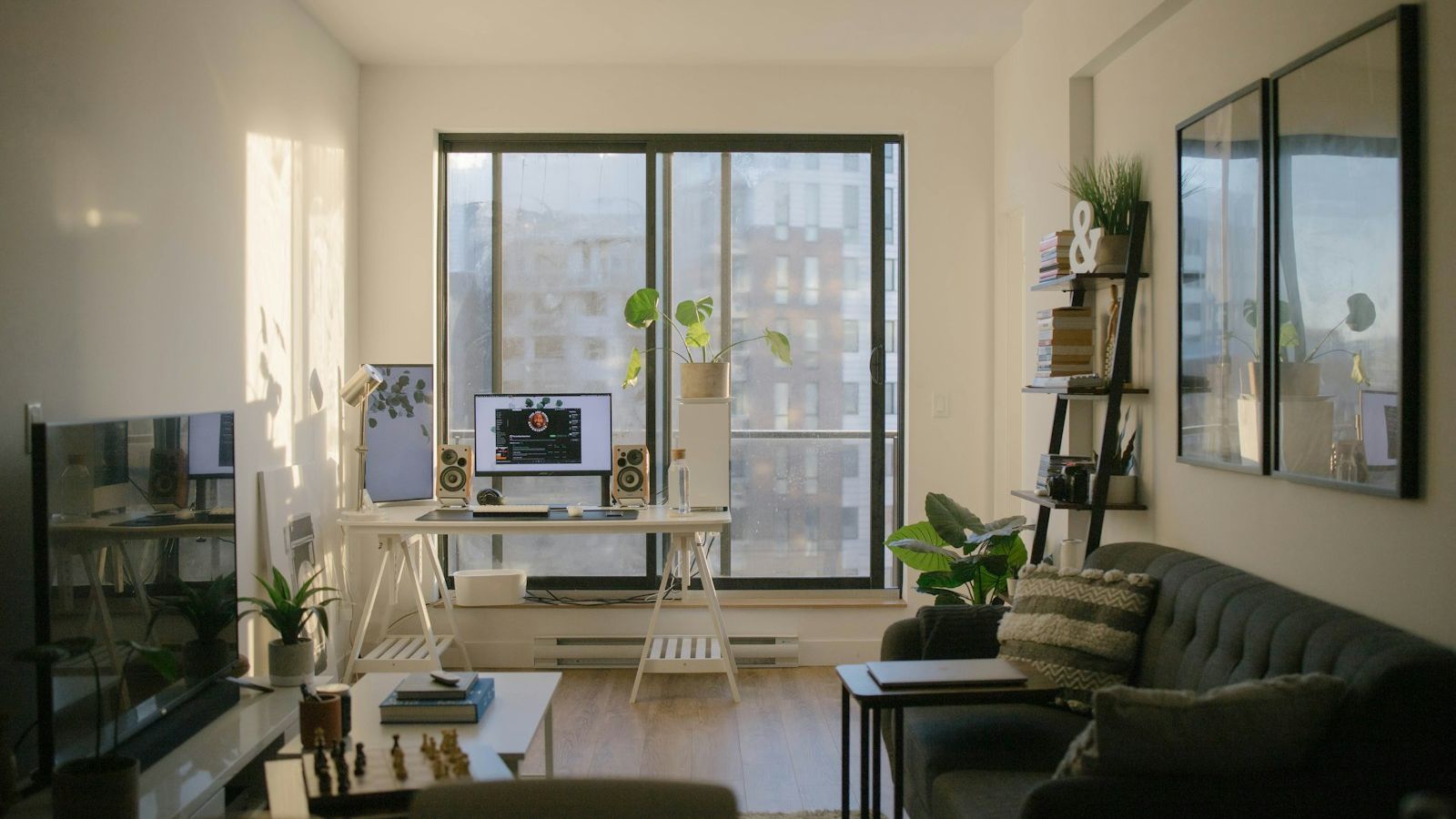
Walk through your apartment and add it up. People always under-estimate.
- Couch, $1,000
- Bed and mattress, $1,500
- TV, $600
- Laptop, $1,200
- Phone, $1,000
- Kitchen stuff (dishes, pots, appliances, etc.), $1,500
- Clothes, $3,000 to $5,000
- Books, electronics, hobby gear, miscellaneous, $2,000+
Most California renters have $15,000 to $30,000 of stuff they'd have to replace from scratch if it disappeared overnight. That's a lot of money to come up with at once.
Common myths
'My credit card / employer / amex covers it'
Some credit cards offer limited 'purchase protection' for items you bought with the card. That's not the same as renters insurance. The coverage is limited (usually 90 days), only applies to specific events, and excludes most of what actually happens.
'I'll just sue my landlord if there's a problem'
If a building issue causes you damage and your landlord is genuinely at fault, you may have a case. But it'll take months or years to resolve, you'll be paying out of pocket the whole time, and many situations aren't actually the landlord's fault. Renters insurance pays now.
'My roommate has it, so I'm covered'
Generally not. Roommates need their own policies unless they're spouses or domestic partners. Each policy covers that person's stuff, not whoever happens to live there.
'I don't really need liability'
Liability claims are more common than you'd think. Dog bites, guest injuries, accidental fires, water damage to neighboring units. A single liability claim can run into the tens of thousands. The liability portion of a renters policy alone makes it worth the cost.
What renters insurance does NOT cover
- Floods (rising water from outside, like a storm or burst dam)
- Earthquakes (separate California Earthquake Authority renters policy available)
- Pest damage (bedbugs, rodents)
- Wear and tear, gradual damage, cosmetic issues
- Items you own at someone else's address (with limited exceptions)
- Business property, if you run a business from home (business policies exist for this)
How to actually get a policy
1. Inventory your stuff
Walk through and add up what you own. Photo or video each room. Save it to cloud storage. This makes the policy decision easier and speeds up any future claim.
2. Decide your coverage levels
Most renters need:
- $20,000 to $30,000 in personal property coverage
- $300,000 in personal liability
- $5,000 to $10,000 in loss of use
3. Get quotes
Three to five quotes from different carriers. An independent agent can do this in one call. Make sure to ask about bundling discounts if you also have auto insurance, which makes the renters policy practically free.
4. Understand your deductible
Most renters policies have a $500 to $1,000 deductible. Lower deductible means higher premium. For most California renters, $1,000 is the sweet spot.
A real scenario
True story from a California client (details changed). Renter in a 4-unit building. Upstairs neighbor's dishwasher failed and flooded down through the ceiling, soaking everything in the renter's apartment. Furniture, clothes, electronics, the works.
The neighbor's renters insurance covered the damage to the renter's belongings. The renter himself had no insurance, so he paid for his own temporary housing while repairs happened, replaced his ruined belongings out of pocket, and ended up several thousand dollars in the hole.
If he'd had a $15/month renters policy, the entire thing would've been covered.
Bottom line
Renters insurance is one of the cheapest forms of insurance available, and the math is overwhelming. A few hundred dollars a year protects against losses that can run into the tens of thousands.
If you rent in California and don't have a policy, getting one takes about 10 minutes. We help California renters every week, and most are surprised at how cheap it actually is. No obligation.
Written by
ACIAI Team
Licensed California Insurance Agents
The ACIAI editorial team — a group of licensed California agents helping families navigate auto, home, life, and business insurance across the Central Coast.