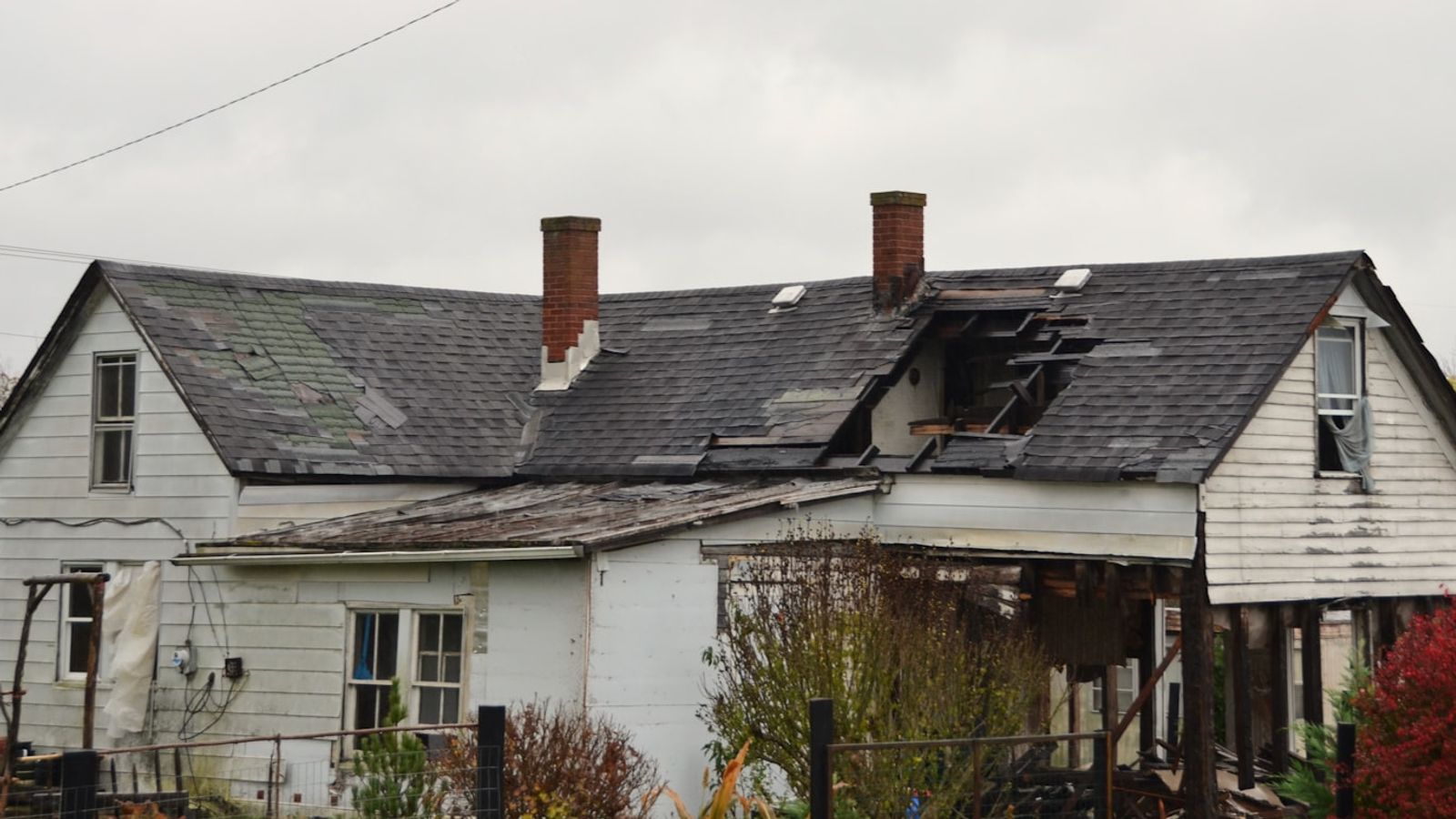
Roof claims are one of the trickier areas of homeowners insurance. They're common, they're often expensive, and they're frequently disputed because the line between 'sudden damage' (covered) and 'gradual deterioration' (not covered) isn't always obvious.
Here's how California homeowners insurance actually treats roof damage, what to look out for, and how to handle a roof claim when one happens.
The core distinction: sudden vs gradual
Insurance is designed to cover sudden, accidental events. It's not designed to cover normal wear and tear or maintenance issues.
That distinction matters most for roofs because almost every roof issue has both elements: there's the underlying age of the roof, and there's whatever specific event triggered the damage.
Generally COVERED
- Wind damage (lifted shingles, blown-off sections)
- Hail damage
- Falling tree branches or other objects
- Fire damage
- Lightning strikes
- Damage from weight of snow or ice (rare in California, more common in mountains)
Generally NOT COVERED
- Wear and tear from age
- Cracked or curling shingles from sun exposure over time
- Granule loss from age
- Damage from poor original installation
- Damage from lack of maintenance (clogged gutters causing pooling, etc.)
- Damage from animals or insects (often, with limited exceptions)
How insurers actually decide what's covered
They look at the specific event
If a storm damages your roof, the question isn't 'is your roof in good shape?' It's 'did this specific event cause this specific damage?'
If wind blew off shingles, that's covered. If those shingles were already failing because of age, that's where it gets debated.
They look at the roof's overall condition
Even for covered events, the payout may be reduced if your roof was already in poor condition. The argument is that you're being made whole, not given a free upgrade.
Replacement cost vs actual cash value
This is the biggest single factor in what you actually receive.
Replacement cost coverage: pays to replace the damaged portion of the roof with comparable materials, no depreciation deduction. You get a new roof (or new section) without out-of-pocket cost beyond your deductible.
Actual cash value (ACV): pays the depreciated value of the damaged roof. A 15-year-old asphalt roof has lost most of its value to depreciation. ACV payout might cover only a small fraction of the actual replacement cost.
Many older policies and 'budget' policies are written on ACV basis for the roof specifically, even when the rest of the policy is replacement cost. Worth checking.
California-specific rules
California allows roof depreciation on older roofs
Many California carriers have begun applying separate, more aggressive depreciation schedules to roofs over a certain age (often 15 to 20 years). This is sometimes called a 'roof surcharge' or 'roof endorsement' and may not be fully disclosed at the time you get the policy.
If your roof is older, ask specifically how it's covered. Don't assume.
Wildfire and roof claims
Damage from wildfire (smoke, embers, direct burning) is generally covered as a fire claim. But some California policies have specific exclusions for damage to roofs in areas that have been pre-identified as high-risk.
Class A roofs (non-combustible) are increasingly required by California carriers in fire zones. Wood shake roofs in fire zones may be uninsurable or limited.
How to maximize a roof claim's chance of being approved
Document the timeline
If you can establish that the damage occurred during a specific event (a windstorm, a hailstorm, a fallen tree), the case for coverage is much stronger than 'I noticed leaks last week.'
Note dates of major weather events near your home. Save weather reports. If a storm event happened, the insurance company will know about it too.
Don't wait too long to file
California has time limits for filing claims. Waiting weeks or months after the damage occurred can complicate the claim. The insurer may argue the damage continued to worsen because of your delay.
Photograph everything
Before, during, and after. If you noticed something after a storm, photograph it immediately. Include the date metadata.
Get an independent inspection
If your insurer's adjuster comes out and offers a low settlement or denies the claim, getting an independent roofing inspector can change the conversation. Their inspection report is evidence.
Know what your policy says
Read your policy. Know whether the roof is covered at replacement cost or ACV. Know what the deductible is. Know what's excluded. The first time you should learn this is not at claim time.
Common reasons roof claims get denied or reduced
'Pre-existing damage'
If the adjuster argues the damage existed before the recent event, the claim may be denied. Documentation of the roof's recent condition (photos, recent inspections, maintenance records) helps push back on this.
Wear and tear vs storm damage
If the adjuster classifies the damage as wear and tear rather than storm damage, the claim is denied. This is the most common dispute. An independent inspector who specializes in storm damage assessment can help.
Maintenance issues
If the damage is attributed to lack of maintenance (clogged gutters causing pooling, missing flashing causing leaks), the claim is denied. Annual roof inspections and gutter maintenance documentation help.
Depreciation reduces the payout
Even when covered, an old roof at ACV may pay only a small fraction of replacement cost. The result is a check that doesn't actually cover replacing the damaged section.
The maintenance you should actually do
Annual roof inspection
Once a year, especially before storm season. A professional inspection runs $150 to $300 and creates documentation that helps you both maintain the roof and support any future claim.
Clear gutters and drains
Twice a year minimum. Clogged gutters cause water damage to roofs, walls, and foundations. Most of this damage isn't covered because it's classified as maintenance failure.
Trim trees near the house
Branches that overhang the roof are a major source of damage during storms. Trimming them is cheap insurance against bigger problems.
Document the roof's condition
Take dated photos every year or two. Save inspection reports. Keep receipts for any repairs. This creates a paper trail that protects you in any future claim.
When to consider a full roof replacement vs continuing to repair
If your roof is over 15 years old (asphalt) or 20+ years old (other materials) and you've started filing claims for damage, you may be approaching the point where:
- Insurance is going to start paying ACV instead of replacement cost
- Future claims may be denied as wear and tear
- A non-renewal letter is more likely after a couple of claims
In that situation, a planned replacement (out of pocket or financed) often costs less in the long run than a series of disputed claims.
Bottom line
Roof claims are one of the most common types of California homeowners claims and one of the most disputed. The difference between a smooth claim and a frustrating one usually comes down to two things: how your policy is structured (replacement cost vs ACV) and how well you've documented your roof's condition over time.
If you're not sure how your roof is covered, or if you've had a recent storm and aren't sure whether to file a claim, we can help you think through it. Free, no obligation.
Written by
ACIAI Team
Licensed California Insurance Agents
The ACIAI editorial team — a group of licensed California agents helping families navigate auto, home, life, and business insurance across the Central Coast.