
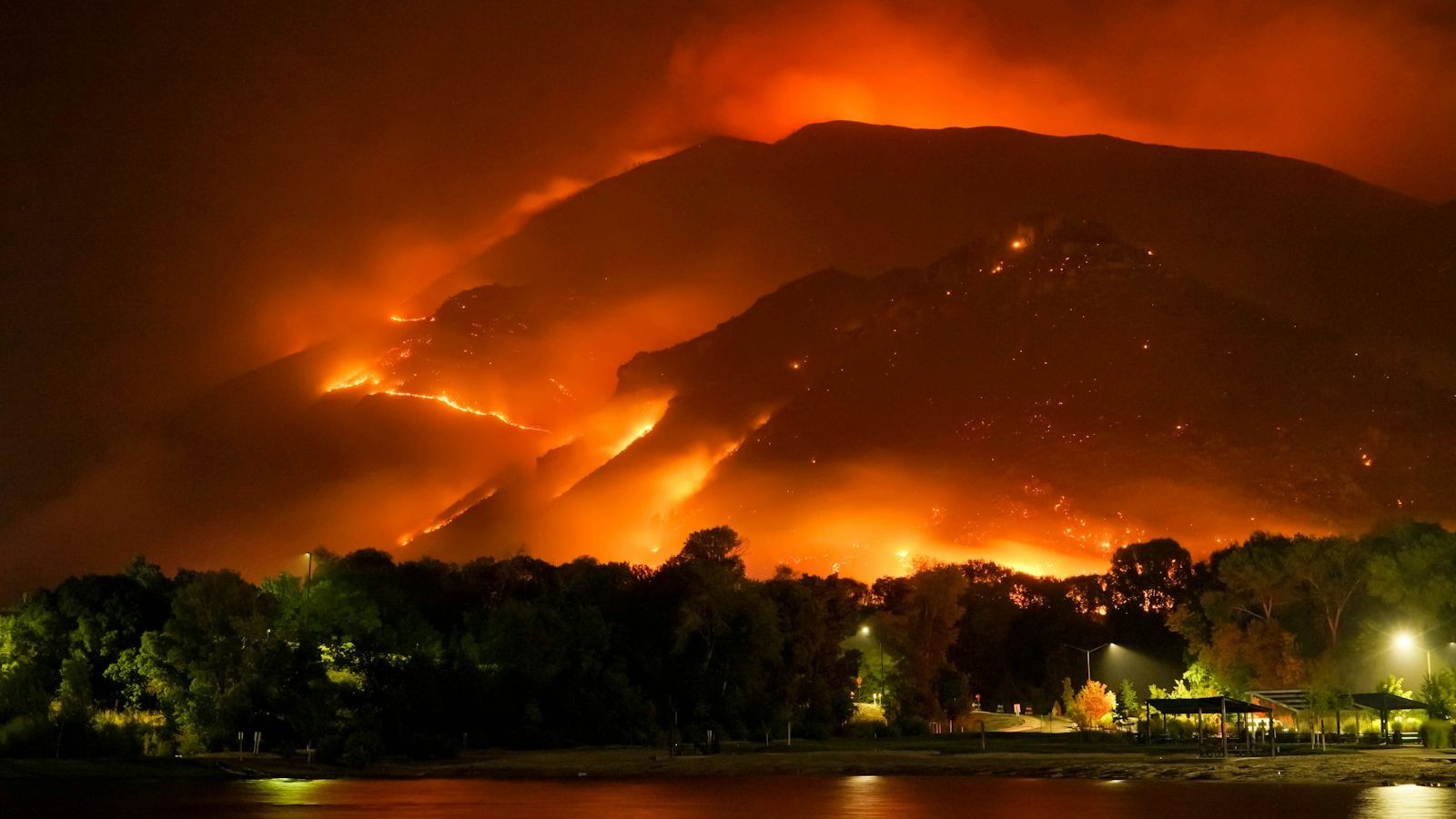
California wildfires have changed the home insurance landscape faster than most homeowners realize. Carriers have pulled back from high-risk areas. Premiums in fire zones have doubled in some neighborhoods. And the FAIR Plan, the insurer of last resort, is writing more policies than ever.
If you own a home in California and haven't reviewed your wildfire coverage in the last two years, here's what you need to know.
Are wildfires covered by standard homeowners insurance?
Yes, in most cases. Fire damage from a wildfire is one of the perils a standard California homeowners policy covers. That includes:
- Damage to the structure of your home from fire
- Damage to detached structures (Coverage B)
- Loss or damage to personal property (Coverage C)
- Living expenses while your home is unlivable (Coverage D)
- Smoke damage, ash damage, and damage from firefighting efforts (water, chemicals)
That sounds reassuring, but there are several places this can go wrong.
Where coverage typically falls short
1. Underinsured for rebuild costs
California construction costs have risen sharply, especially after major fire events when contractors are in short supply. Many homes destroyed in recent wildfires were insured for less than what it actually cost to rebuild. Often by 20% to 40%.
The single biggest thing you can do today is check whether your dwelling coverage reflects current rebuild costs, not what your home was worth when you bought the policy.
2. Personal property limits
Your default Coverage C is usually 50% to 75% of dwelling. If you have a lot of furniture, electronics, art, or anything else of value, that may not be enough. Total losses in fires often expose this gap because everything's gone, not just one room.
3. Loss of use limits
Wildfire rebuilds in California can take 12 to 24 months because of contractor backlogs, permitting, and supply chain issues. If your loss-of-use coverage caps out at 12 months or 20% of dwelling, you may run out of housing money before you can move back in.
4. Outdoor living spaces
Fences, decks, sheds, pool equipment, landscaping. These often have lower limits than the dwelling, and California homes lose a lot of value here in wildfires.
5. Code upgrade coverage
If your home was built before current building codes, you may be required to upgrade things like wiring, plumbing, or fire-resistant materials when rebuilding. Without code upgrade coverage, you're paying that out of pocket.
What about insurer drops and non-renewals?
Since 2019, California's wildfire risk has caused major carriers to non-renew thousands of policies in high-risk areas. If you've gotten a non-renewal letter, you have options.
1. The California FAIR Plan
The FAIR Plan is a state-mandated pool that provides basic fire coverage to homeowners who can't find private insurance. It's fire-only, with limited coverage amounts and high premiums relative to private insurance.
Most homeowners on the FAIR Plan also need a 'wraparound' or 'difference in conditions' policy from a private insurer to cover everything else (liability, personal property limits, water damage, etc.). It's a workable but more expensive setup.
2. Surplus lines and non-admitted carriers
If you're in a high-risk zone, an independent agent can sometimes find coverage through surplus lines insurers. These are non-standard carriers that take on risk other companies won't write. Premiums are higher but the coverage is real.
3. Mitigation discounts
California now requires insurers to offer discounts to homeowners who've taken specific wildfire mitigation steps. If you've done any of these, ask about discounts:
- Class A roof (composite, metal, tile)
- Defensible space cleared around the home (5-foot, 30-foot, 100-foot zones)
- Ember-resistant vents and screens
- Enclosed eaves and soffits
- Non-combustible siding
- Fire-resistant deck materials
If you live in a fire zone, do these 6 things now
- Pull your declarations page and check your dwelling coverage. Compare to today's rebuild cost per square foot in your area.
- Verify whether you have replacement cost or actual cash value coverage.
- Check loss-of-use limits. Anything under 24 months in a fire-prone area is risky.
- Make a home inventory. Photo or video every room, including inside drawers and closets. Save it to cloud storage. This makes claim processing much faster.
- Ask your agent about extended replacement cost coverage. It pays beyond your stated dwelling limit (often 25% to 50% extra) if rebuild costs exceed your coverage.
- Mitigate where you can. Defensible space and Class A roofing are the highest-impact things you can do.
What to do if you get a non-renewal letter
California law requires insurers to give you 75 days notice before non-renewing for wildfire risk. Don't wait. Start shopping immediately.
- Get quotes from at least three other carriers, ideally through an independent agent who can check multiple at once.
- If private market quotes are above your budget, get a FAIR Plan quote and a wraparound quote together.
- Ask about every mitigation discount you might qualify for.
- Check whether your current carrier will reconsider after you complete specific mitigation. Some will.
- Don't let coverage lapse, even for a day. Lapsed coverage during a wildfire event is the worst possible outcome.
A common myth: 'I'll be fine, I'm not in the woods'
Wildfires don't just burn forests. They burn neighborhoods that look nothing like fire zones. The fires of recent years have destroyed homes in suburban developments, along the coast, and in areas that hadn't had a major fire in decades.
California fire risk maps are updated regularly. Your home may have moved into a higher-risk tier without you knowing. Worth checking.
Bottom line
Wildfire coverage isn't optional for California homeowners. It's just a question of whether your current policy is adequate.
If you haven't reviewed your wildfire-specific coverage limits in over two years, you're almost certainly underinsured given how rebuild costs have moved. We do free fire-zone reviews for California homeowners, including helping with non-renewals and FAIR Plan setups. No obligation.
Written by
ACIAI Team
Licensed California Insurance Agents
The ACIAI editorial team — a group of licensed California agents helping families navigate auto, home, life, and business insurance across the Central Coast.